Reliable Scientific
Foundation Models
Design · Training · Grounding · Verification
Jeju · Korea · KDD 2026
About RelSciFM
RelSciFM focuses on building reliable Scientific Foundation Models (SciFMs) for scientific discovery and high-stakes decision-making. The workshop emphasizes design and training, grounding to scientific evidence, and verification protocols that make model claims auditable and replayable.
We bring together researchers and practitioners across data mining, machine learning, and domain sciences to share methods, datasets, benchmarks, and best practices for reliable, grounded, and verifiable SciFMs.
Where
International Convention Center Jeju (ICC Jeju), Jeju, Korea
When
KDD 2026
Overview
Key themes and questions we will explore at RelSciFM.
Topics
-
Architecture Design with Scientific Priors
- Inductive biases for invariances, conservation laws, units, and geometry
- Modular, interpretable, controllable designs across multimodal scientific data
-
Evidence Grounding and Provenance
- Retrieval over databases/knowledge graphs with explicit attribution
- Faithfulness and version-aware evidence tracking
-
Tool- and Simulator-Integrated Modeling
- Reliable interfaces to simulators, solvers, and symbolic engines
- Hybrid mechanistic data-driven learning with traceable tool execution
-
Reliable Data and Pretraining
- Curation for quality and coverage (de-dup, contamination checks, uncertainty metadata)
- Robust objectives and continual updates under shifting protocols
-
Uncertainty and Risk Control
- Calibrated uncertainty, abstention/defer, and risk–coverage trade-offs
- Uncertainty under shift and tool feedback
-
Validity, Robustness, and Stress Tests
- Constraint checks, invariance/counterfactual tests, and closed-loop tool validation
- Robustness to rare regimes and distribution shifts
-
Reproducibility and Auditing
- Versioned pipelines, environment/seed capture, and tool-trace logs
- Standardized reporting for third-party verification
-
Benchmarks and Community Testbeds
- Reliability-focused benchmarks (correctness, faithfulness, constraints, calibration)
- Shared evaluation harnesses and open resources
Call for Papers
Format & Policy
- Tracks & Length: Main Paper Track: 8 pages; Position Paper Track: 4 pages; Short Paper Track: 2–4 pages.
- Format: Single PDF. References are excluded from the page limits. Optional appendix is allowed, but the main content pages should be self-contained.
- Style: Use the KDD 2026 LaTeX style file. Include references and supplementary in the same PDF.
- Dual-submission / Non-archival: Ongoing/unpublished work and under-review manuscripts are allowed (respect venue policies). The workshop is non-archival.
- Visibility: Submissions and reviews are not public. Only accepted papers will be made public.
- Double-blind: Anonymize all materials (including linked code/data). No acknowledgements at submission time.
Awards: We will select one Best Paper and one Outstanding Paper.
Template: ACM Proceedings Template
Important Dates (AoE)
- Submission: April 30, 2026
- Notification: June 4, 2026
- Camera-Ready: June 18, 2026
Accepted Papers
We will announce the accepted papers for the RelSciFM workshop.
Panel Discussion

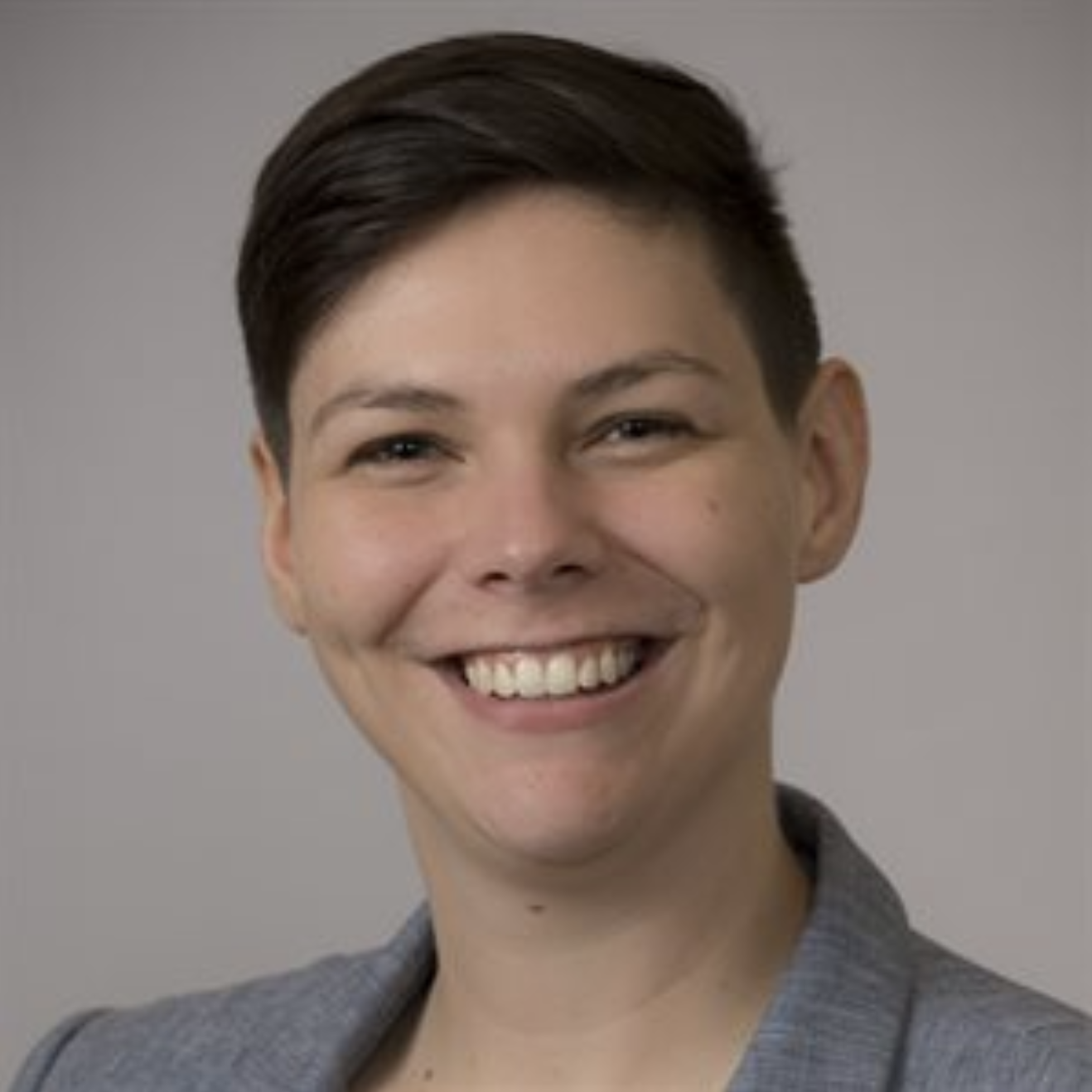

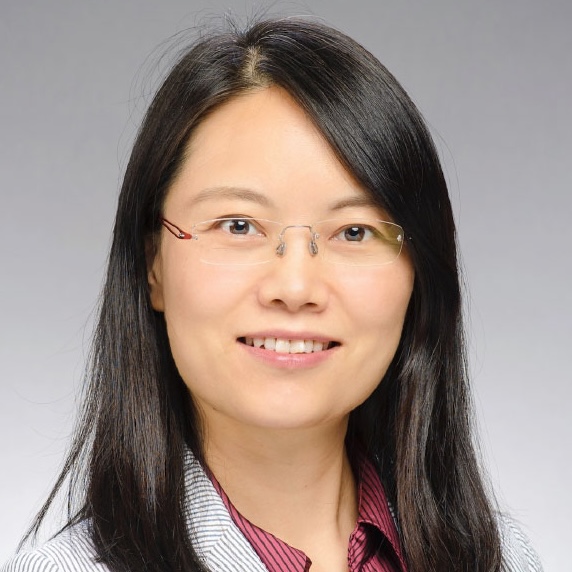
Invited Keynote Speakers
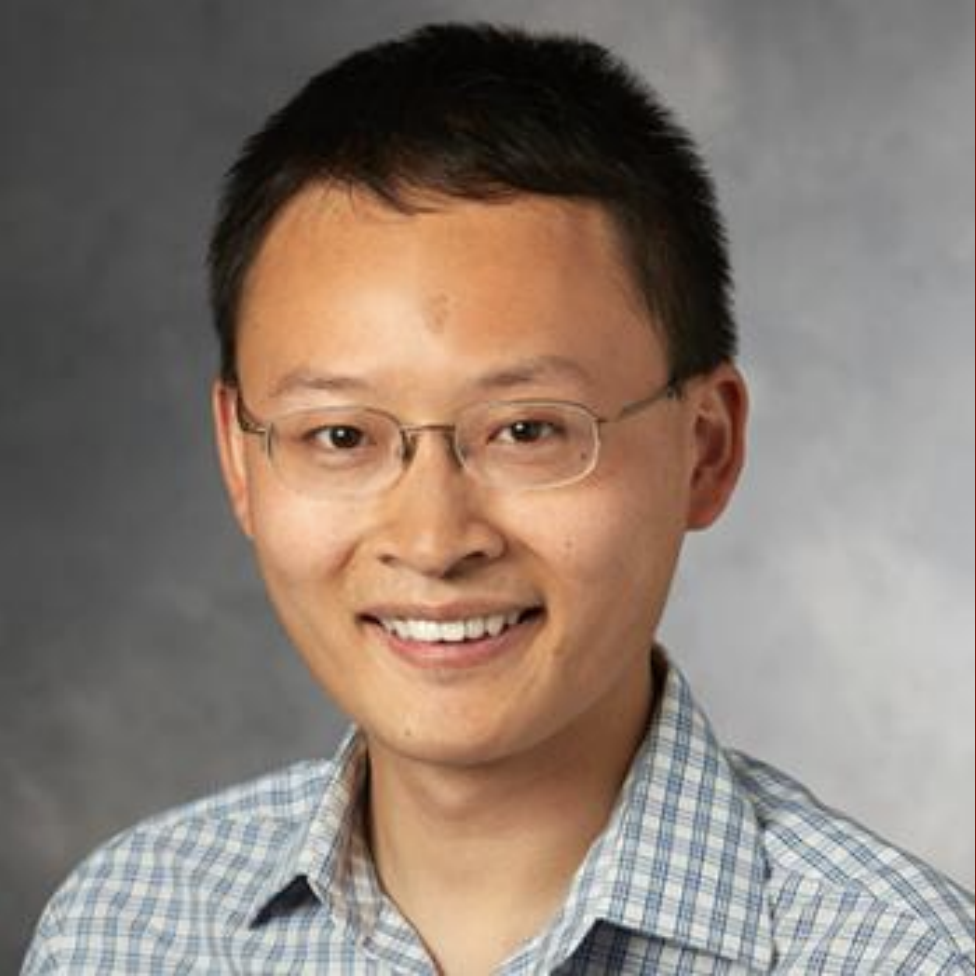

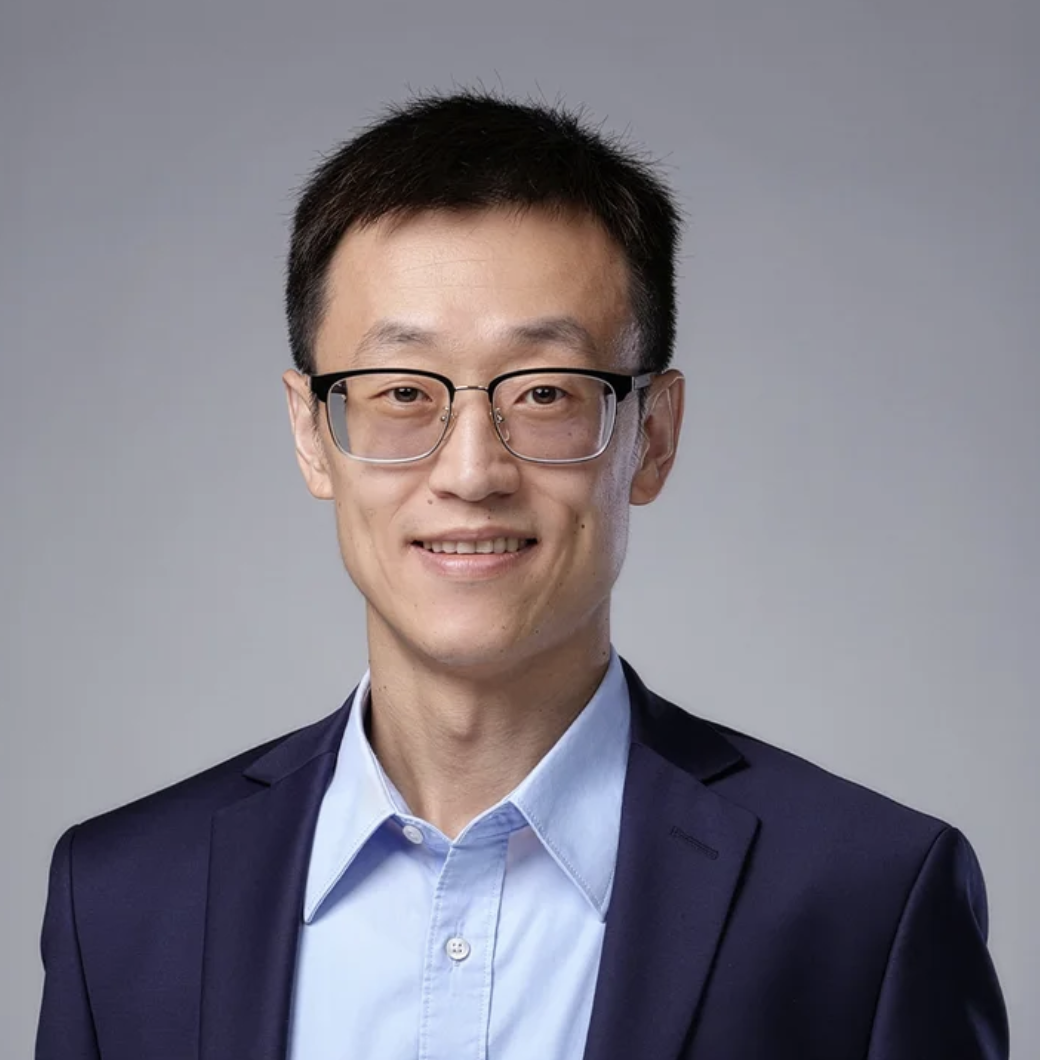
Event Schedule
Detailed schedule to be announced.
Opening Ceremony
Keynote Talk 1 — Jian Tang
Keynote Talk 2 — Alix Schmidt
Keynote Talk 3 — Xin Gao
Coffee Break & Poster Session
Keynote Talk 4 — TBA
Best Paper Spotlight
Award Ceremony & Closing
Organizing Committee
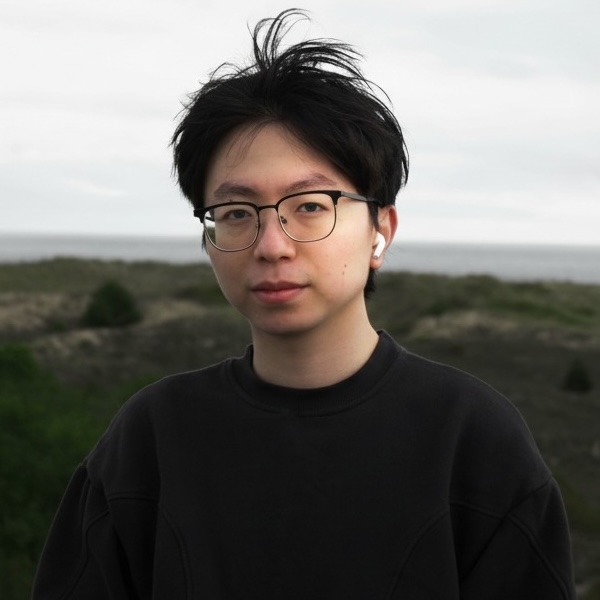
Yue Huang
University of Notre Dame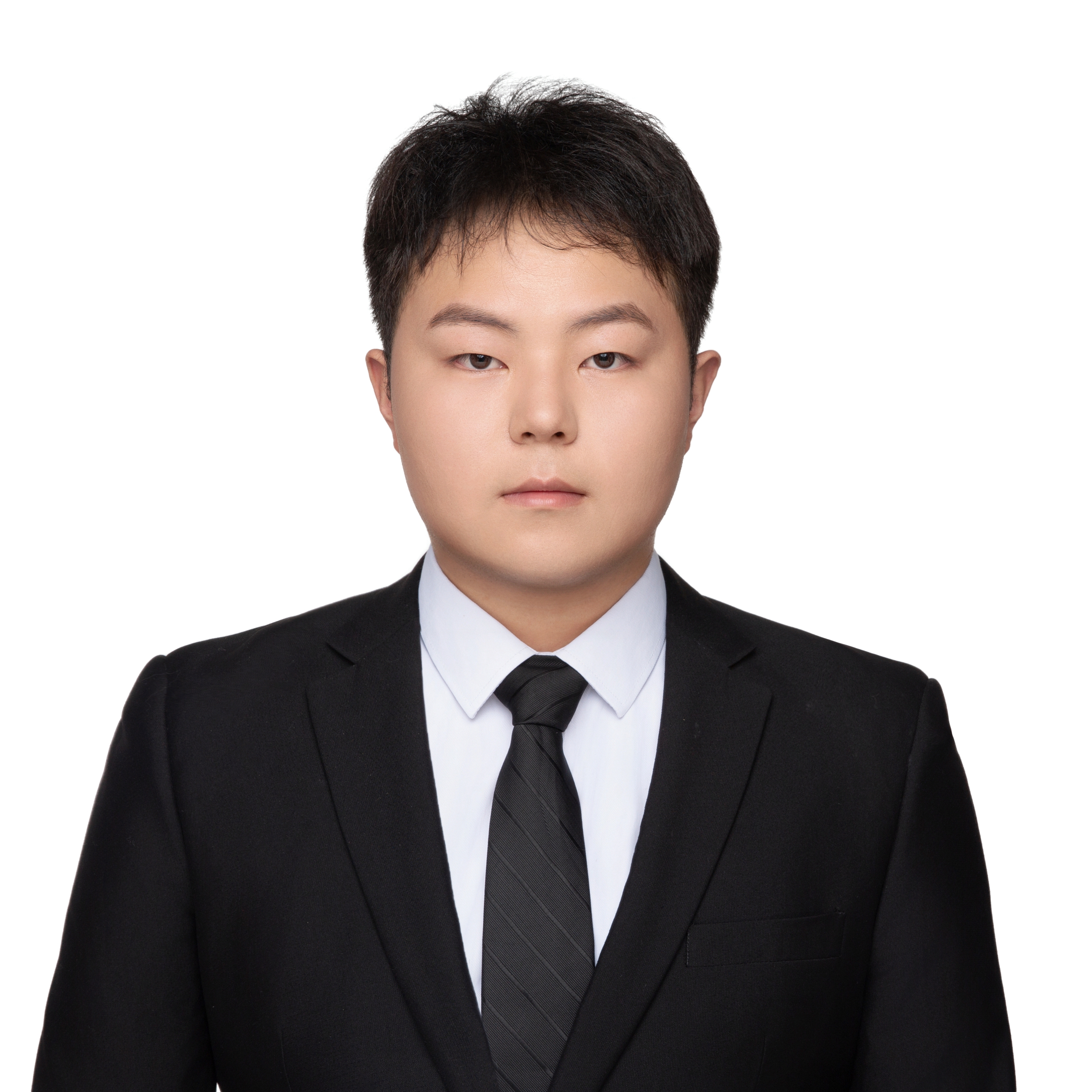
Xiaoda Wang
Emory University
Yuchen Ma
LMU Munich
Kehan Guo
University of Notre Dame
Yujun Zhou
University of Notre Dame
Qiankun Li
Imperial College London; NTU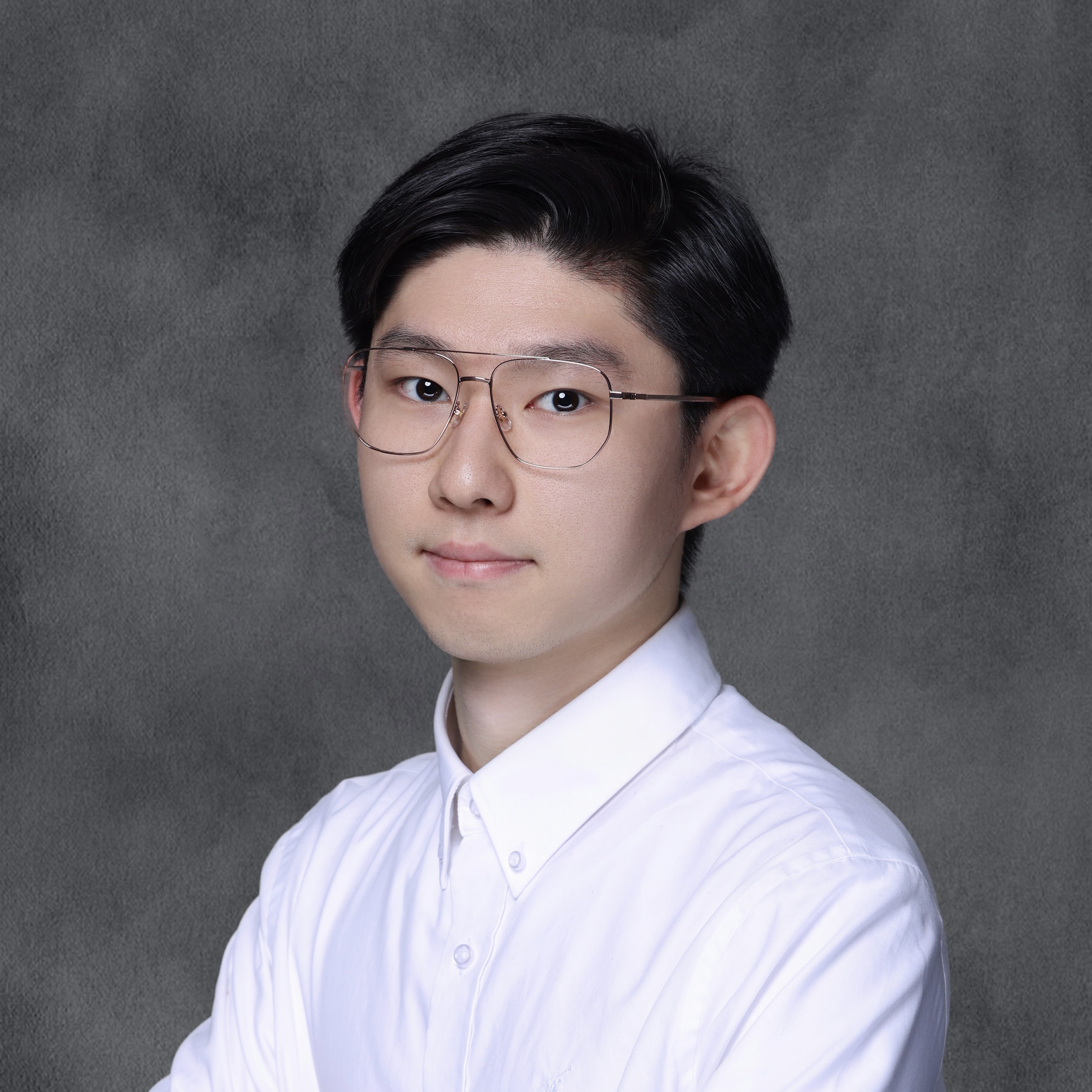
Yuan Li
UPenn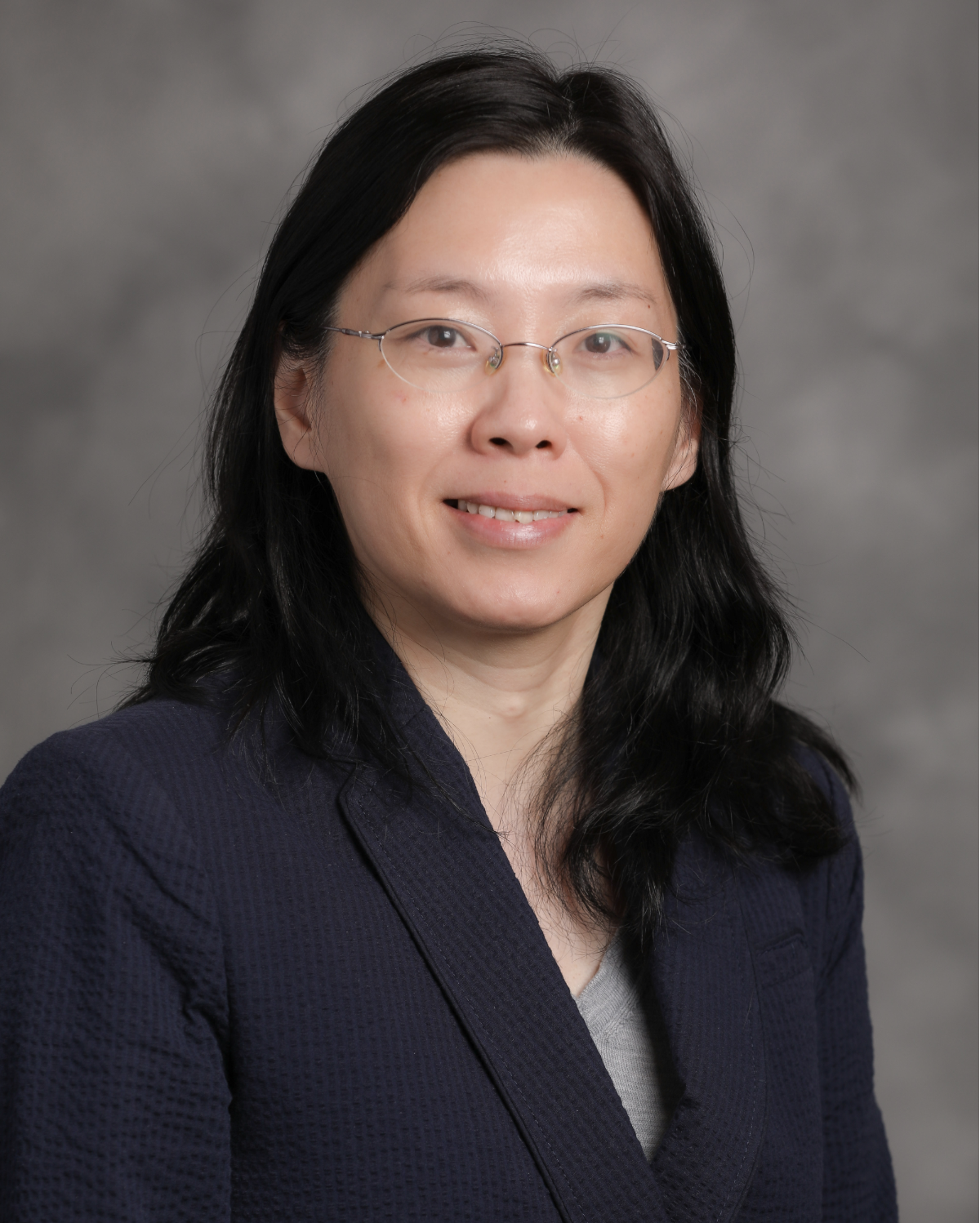
Wei Wang
UCLA
Carl Yang
Emory University